May 12, 2026
Basements and below-grade living spaces offer valuable square footage, but they often struggle with a common problem: poor air quality. Because these rooms are surrounded by earth and sit below the natural path of cross-breezes, they can easily become stagnant, damp, and filled with trapped pollutants. While many homeowners think of egress windows primarily as a safety requirement for emergency exits, these features play a much larger role in the daily health and comfort of a home. By providing a large, functional opening to the outside world, they transform the way air moves through the lowest levels of a structure.
Structural health and indoor air quality depend on constant movement. Without a way for old air to leave and fresh air to enter, basements become prone to moisture buildup, odors, and the accumulation of harmful gases. This is why proper ventilation is a cornerstone of a functional living space. In this article, we will discuss how these windows facilitate natural air exchange, the impact they have on moisture control, and why professional installation is the key to maintaining a healthy below-grade environment.
They Facilitate Natural Air Exchange
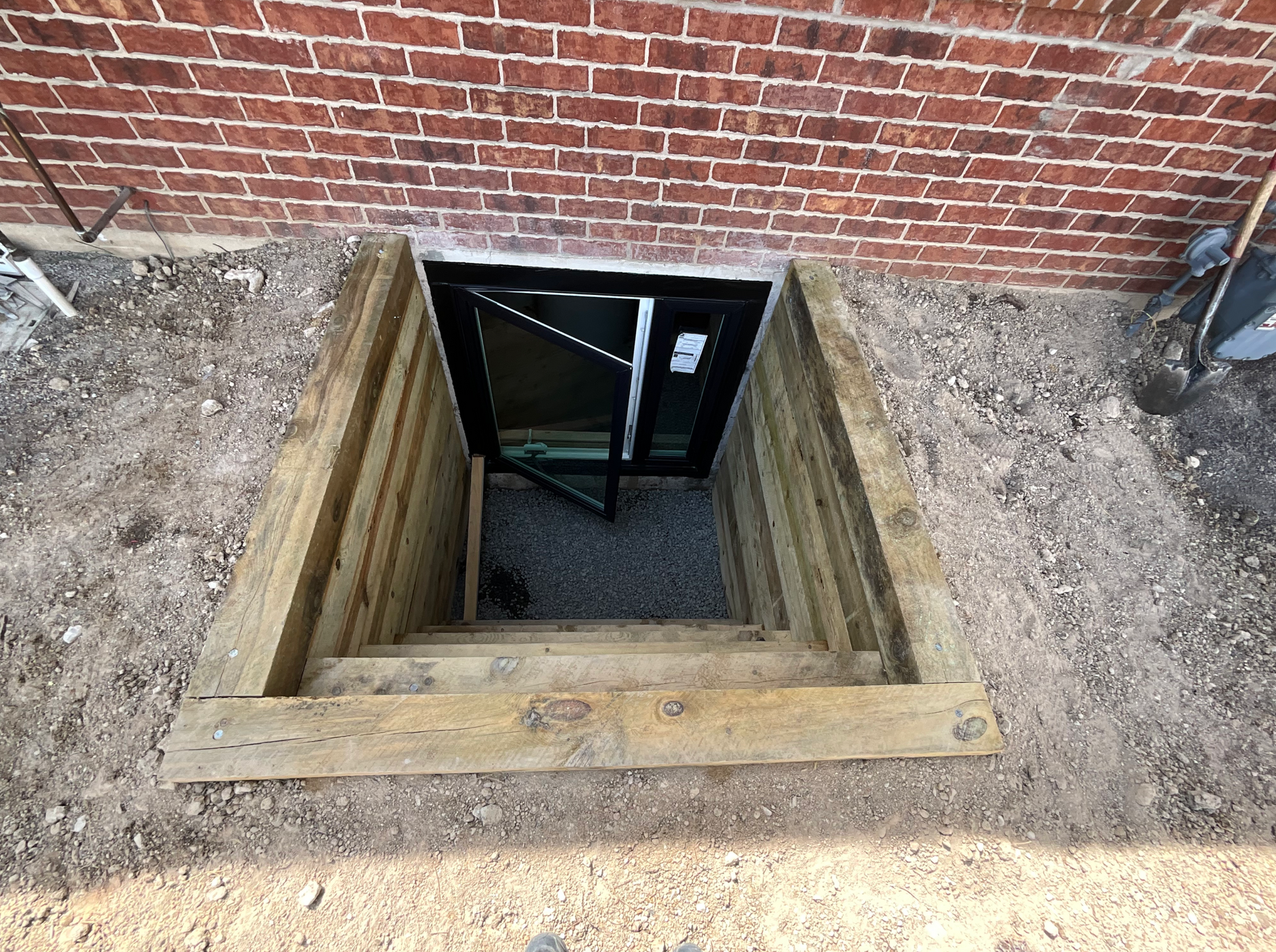
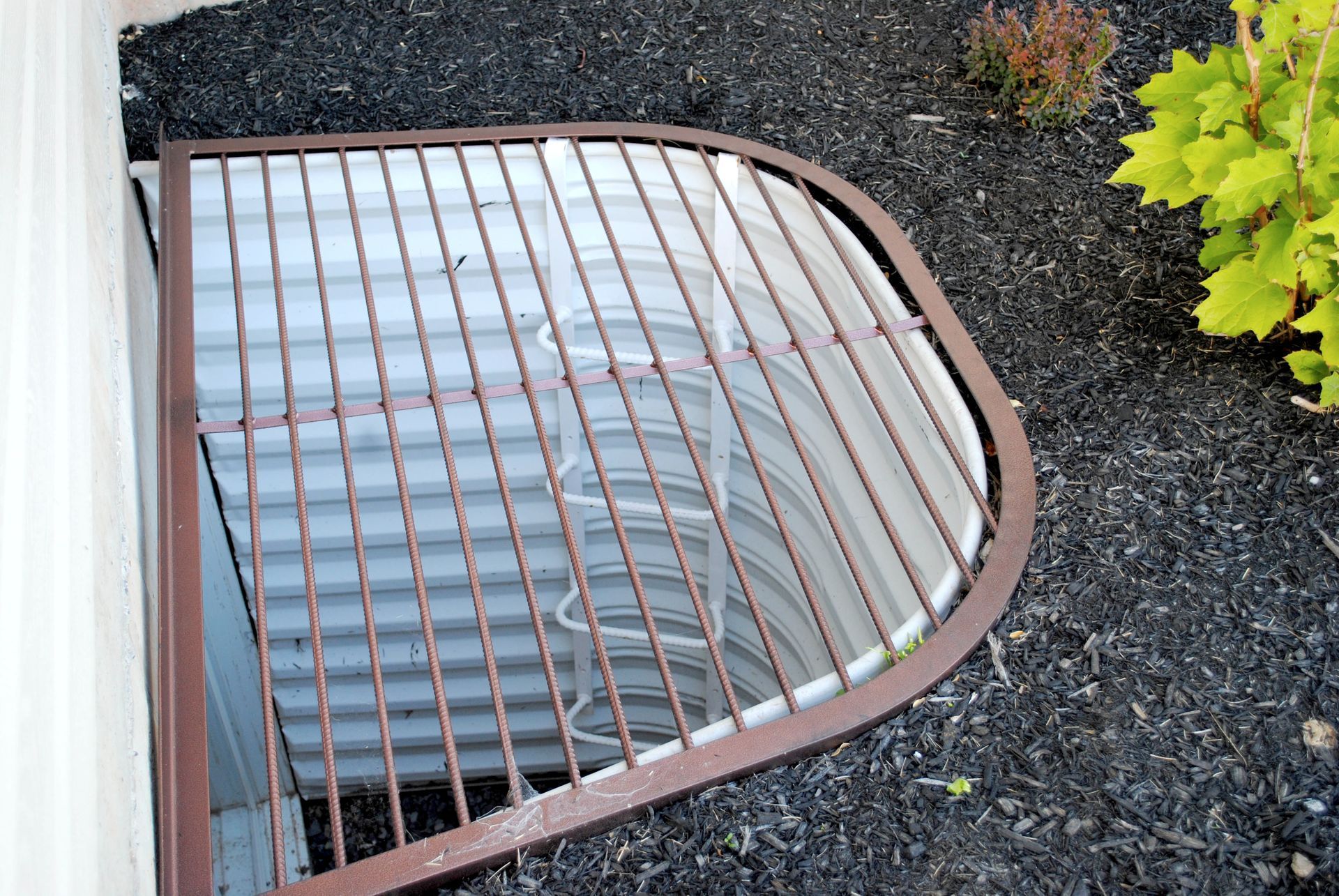
The most direct way an egress system improves a basement is by allowing for natural air exchange. In a standard room above ground, windows are placed to catch the wind and allow air to circulate. In a basement, the small, fixed "hopper" windows often found near the ceiling are rarely large enough to move a significant volume of air. Egress windows solve this by providing a much larger surface area that bridges the gap between the indoor air and the fresh outdoor atmosphere.
When a large window is opened in a below-grade space, it creates a path for pressure to equalize. Natural breezes passing over the home can create a slight pull, drawing stale, carbon-dioxide-heavy air out of the room. At the same time, oxygen-rich air from the outside flows in to take its place. This simple cycle is essential for keeping the air from feeling "heavy" or "thin," making the basement feel just as fresh as the upper floors of the house.
They Help Manage Basement Humidity
Humidity is perhaps the biggest challenge for any below-grade space. Moisture naturally migrates through foundation walls, and without airflow, that moisture stays trapped in the air. This leads to that classic "musty" basement smell and, eventually, the growth of mold and mildew. While dehumidifiers are helpful, they are often just a bandage for a lack of proper ventilation.
By utilizing egress windows, homeowners can implement natural moisture control. Opening these windows allows damp air to be carried out of the house before it has a chance to settle on cold surfaces and condense into liquid water. Constant airflow helps dry out the environment, protecting wood framing, drywall, and furniture from rot and water damage. This consistent movement is one of the best defenses against the long-term structural issues caused by high humidity.
They Promote Effective Cross Ventilation
Airflow is most effective when it has a clear path to move through a space. This is known as cross-ventilation. If a basement has only one small opening, the air tends to swirl in a dead-end pattern rather than truly refreshing the room. Because egress windows are significantly larger than standard basement windows, they act as a powerful intake or exhaust point for the entire floor.
When an egress window is opened along with a door or another window on the opposite side of the basement, it creates a "wind tunnel" effect. This pushes air through every corner of the room, eliminating dead zones where dust and allergens usually settle. This type of high-volume air movement is particularly important after painting, cleaning, or performing any hobby that involves chemicals or adhesives, as it flushes out fumes quickly and safely.
They Reduce Trapped Indoor Pollutants
Indoor air can often be more polluted than the air outside, especially in basements where cleaning supplies, paints, and seasonal items are stored. These items can release Volatile Organic Compounds (VOCs) that linger in the air. Additionally, common allergens like pet dander and dust mites are more likely to stay suspended in the air when there is no ventilation to move them out.
Installing egress windows provides a dedicated "exit" for these pollutants. Instead of letting allergens and chemicals circulate through the home's furnace or AC filters, they can be vented directly outdoors. This creates a much healthier environment for bedrooms or home offices located in the basement. Fresh air is the best natural filter available, and having a large-scale window makes it possible to utilize that filter every day.
They Mitigate Soil Gas Accumulation
Certain gases, such as radon, can seep through foundation cracks and pool in the lowest levels of a home. Because these gases are often heavier than air, they don't easily move up and out of the house on their own. While a dedicated mitigation system is the primary way to handle high radon levels, air exchange is a critical secondary tool for maintaining safety.
Egress windows help by diluting the concentration of soil gases through consistent air turnover. By allowing fresh air to mix with the air at the floor level, the baseline concentration of trapped gases is lowered. While a window is not a replacement for professional gas mitigation, the ability to "flush" the room with fresh air provides an extra layer of protection and peace of mind for families spending time in below-grade living areas.
They Enhance Perception of Air Quality
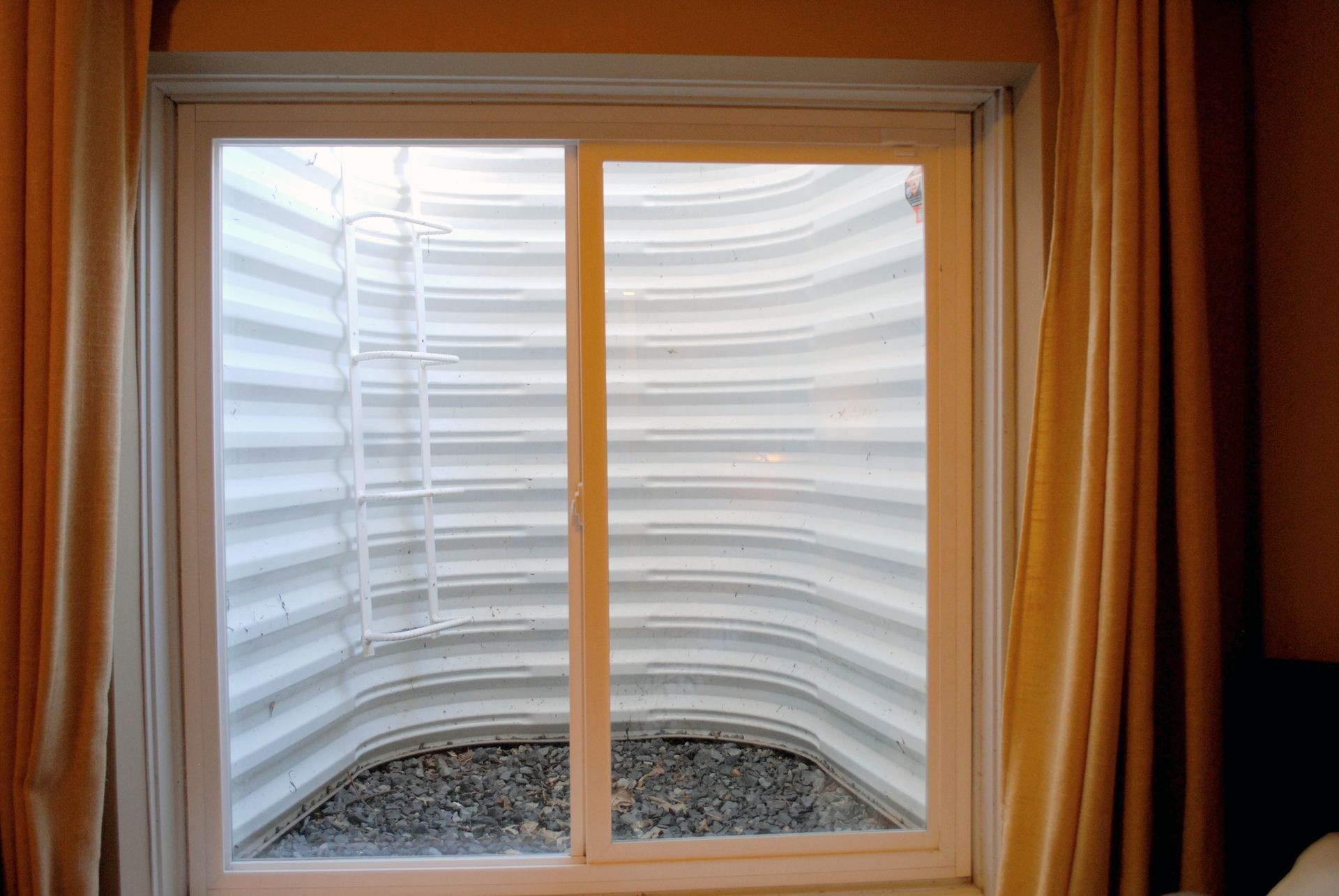
There is a strong psychological link between natural light and the feeling of "airiness" in a room. A dark, cramped basement often feels stuffy, even if the oxygen levels are technically fine. Egress windows bring in a massive amount of natural sunlight, which changes the entire atmosphere of the space.
Beyond the psychological benefits, sunlight can actually help keep the air cleaner. UV rays have mild disinfectant properties that can inhibit the growth of bacteria and certain types of mold in areas that would otherwise stay damp and dark. A bright, sunlit basement encourages people to use the space more often, which usually leads to better maintenance and more frequent window use, further improving the air quality over time.
They Require Precision During Installation
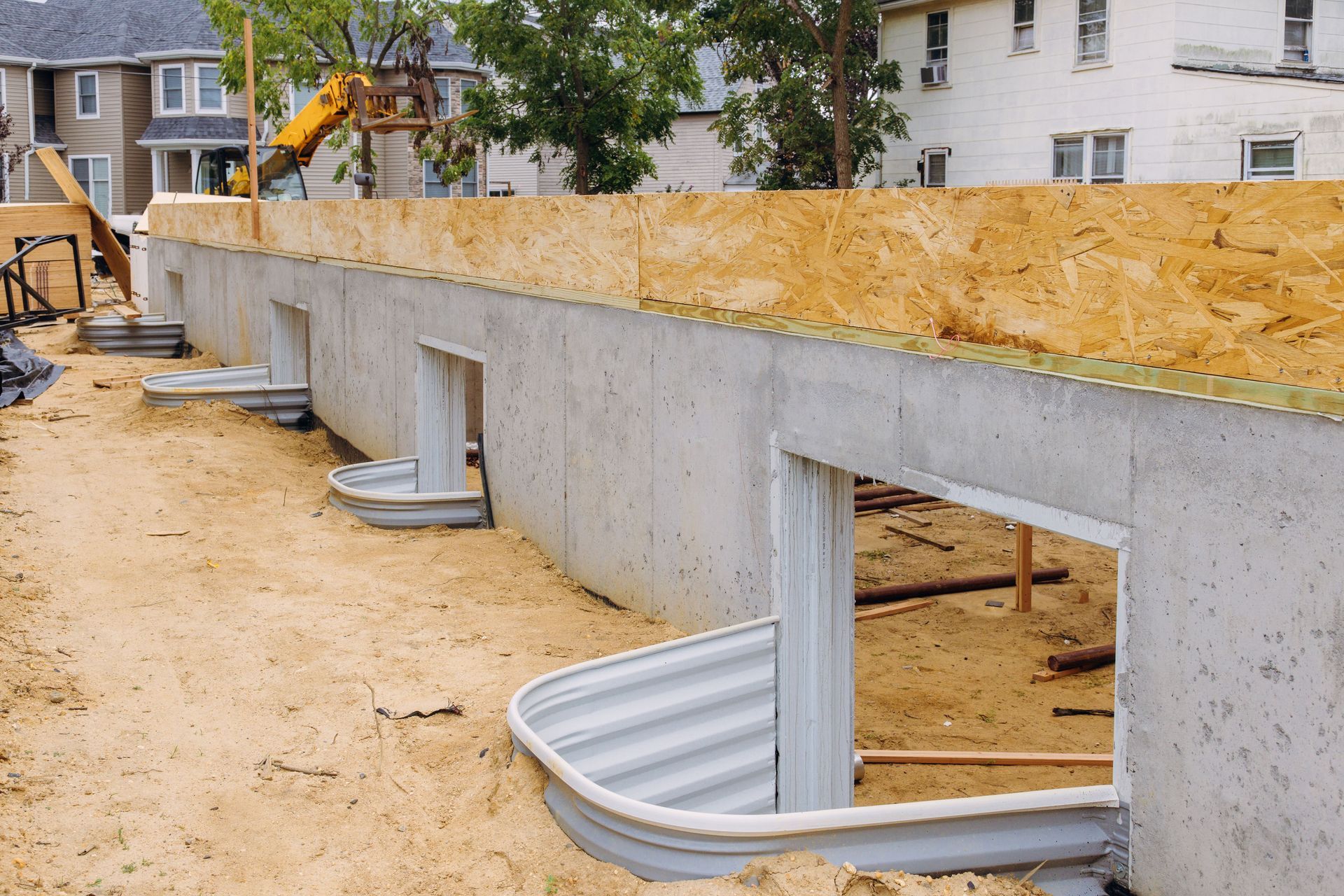
The performance of any ventilation system depends on how well it was built. An egress window that isn't sealed correctly can let in more than just air; it can let in groundwater, pests, and unwanted drafts that ruin the comfort of the room. When air leaks in through gaps around the frame rather than through the window itself, it can carry dust and debris from the window well into your home.
This is why professional installation is so important. According to Fixr, the number one threat to a window's longevity is poor installation or improper sealing. If the window isn't level, square, and perfectly sealed against the foundation, it won't operate smoothly or provide the airtight barrier you need when it is closed. Quality craftsmanship ensures that the window serves its purpose for decades without becoming a source of drafts or leaks.
If you are ready to transform your basement into a bright, fresh, and safe living area, now is the perfect time to act. Proper ventilation is the key to a healthy home, and a high-quality egress system is the best way to achieve it. Contact Egress, Inc today to discuss how egress windows can improve your home's air exchange and help you get the most out of your below-grade space.