May 12, 2026
Replacing a basement egress window is more than just a cosmetic upgrade—it’s a crucial safety improvement for your home. Egress windows serve as an emergency exit and allow natural light and ventilation into your basement. Homeowners often underestimate the complexity of these projects, which can lead to costly mistakes if not handled correctly. Understanding the common pitfalls of egress window replacements can save you time, money, and potential safety hazards.
Whether you’re hiring a professional or taking on a DIY project, knowing what to avoid is key. From improper measurements to ignoring local building codes, the process involves several steps that must be done with precision. Even small oversights can compromise your window’s function or put your family at risk. This guide will walk you through the most common mistakes homeowners make and how to prevent them, ensuring your egress window replacements are safe, functional, and compliant.
1: Neglecting Proper Measurements and Sizing
One of the most common errors in an egress window replacement is neglecting proper measurements. An incorrectly sized window can lead to numerous issues, including non-compliance with building codes and safety risks. Egress windows are not standard windows; they have specific height and width requirements designed to allow for quick, safe exits during emergencies. According to The Spruce, a basement egress window should typically be at least 24 inches tall and 20 inches wide. Failing to adhere to these dimensions can put your home inspection at risk and reduce the window’s effectiveness as an emergency escape route.
Another problem that arises from poor measurements is installation complications. Cutting the wrong size opening in your basement wall can compromise structural integrity and create unnecessary costs for additional framing or masonry work. This mistake is particularly common when homeowners rely solely on rough estimates rather than precise measurements. Accurate planning and double-checking dimensions before purchasing the window are critical steps that should never be skipped.
Additionally, overlooking the placement of the window can cause functional issues. Egress windows need to be positioned where they are accessible and can open fully without obstruction from furniture, appliances, or landscaping features. Even if the size is correct, poor placement can reduce the window’s usability and defeat the purpose of the replacement.
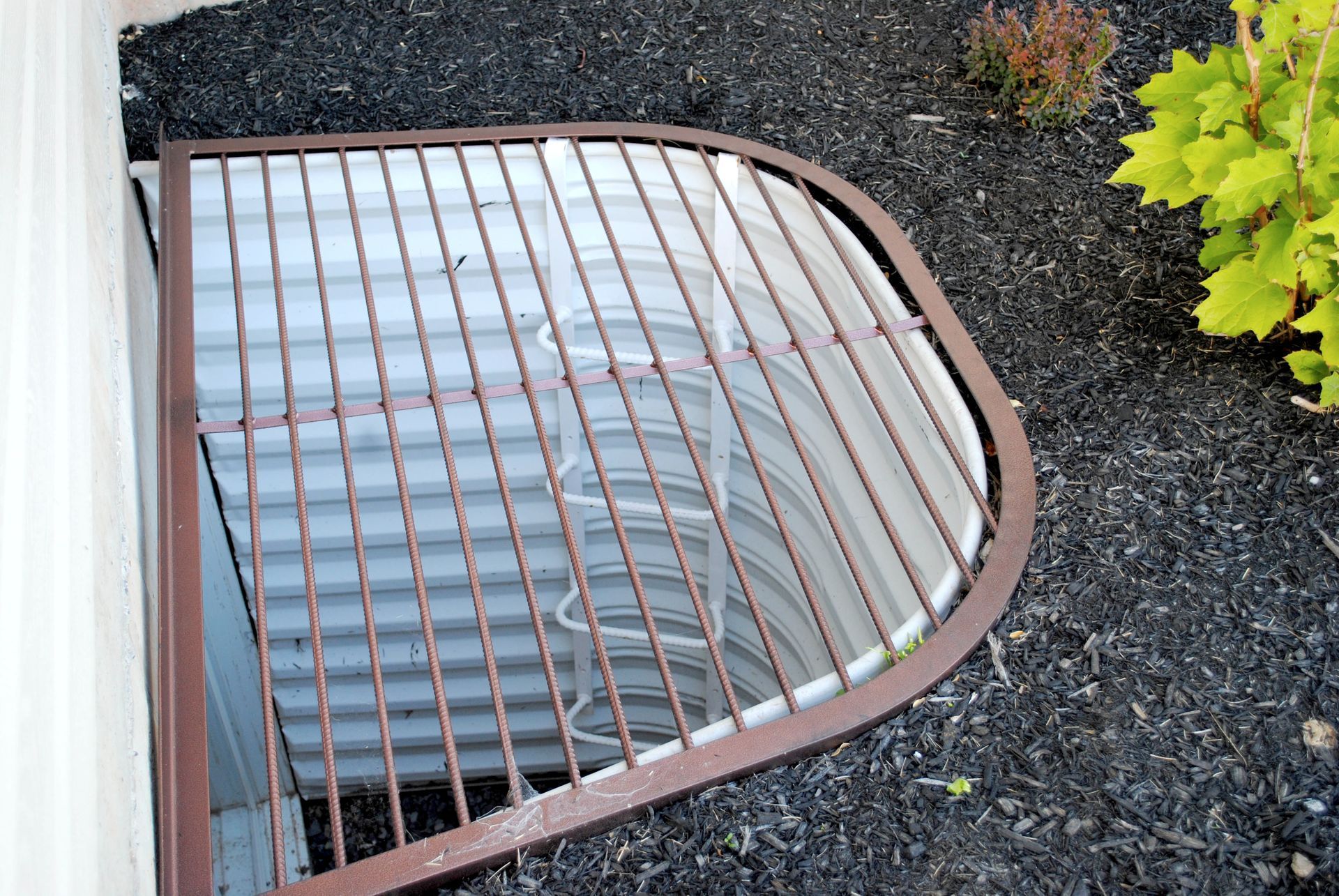
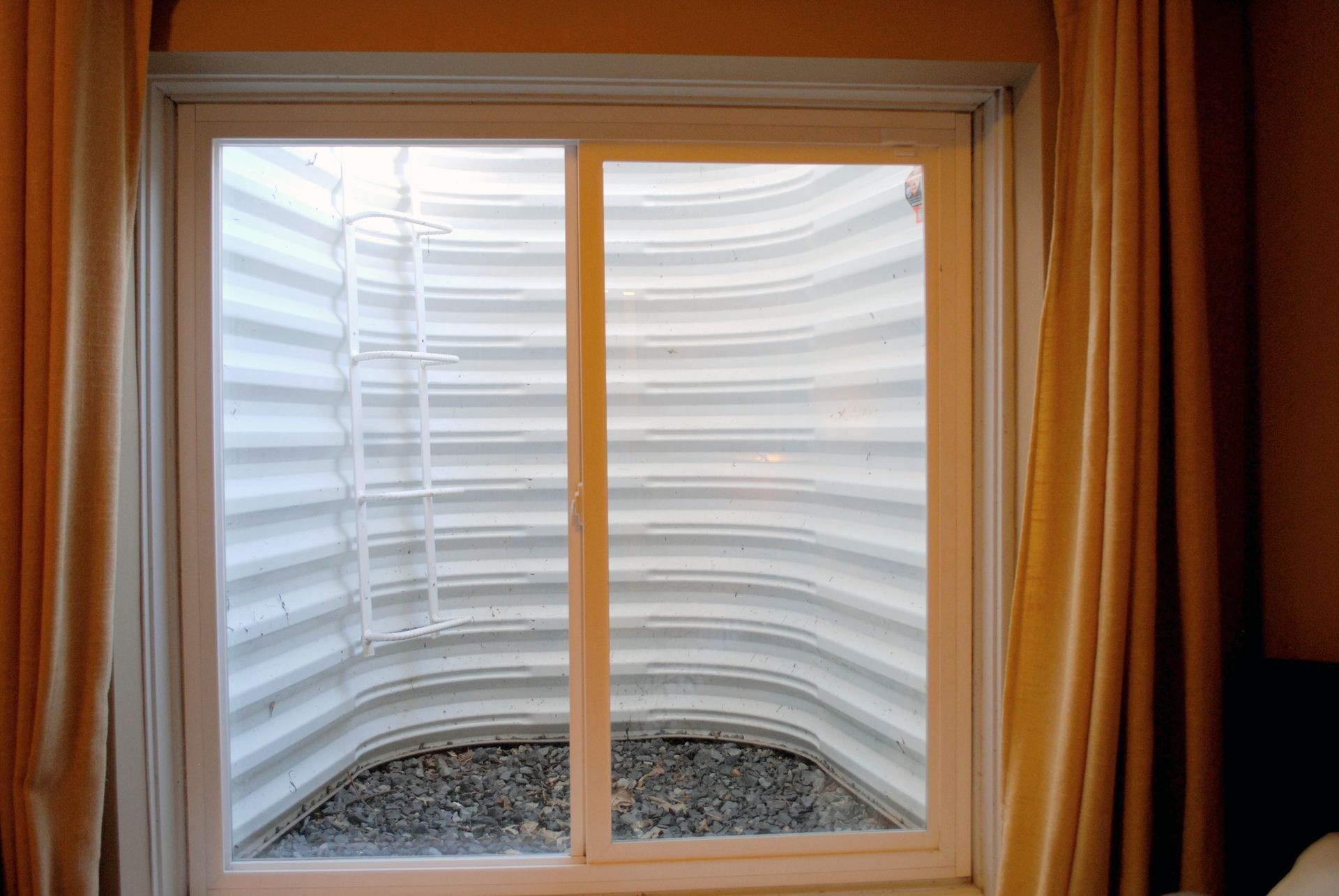
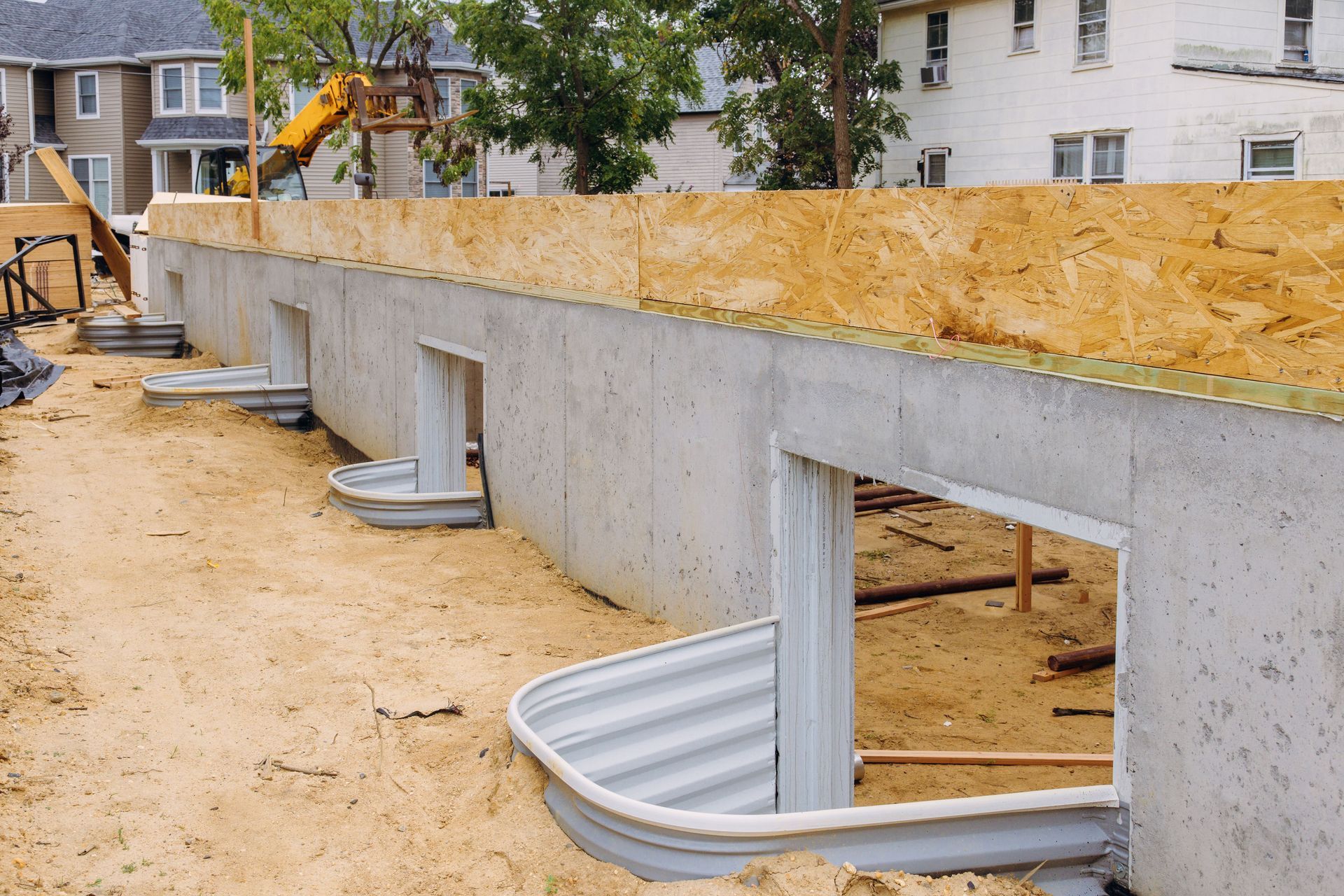
Finally, failing to account for exterior window wells or clearance requirements can lead to water drainage problems or limited access in case of emergency. Ensuring the window well is properly sized and installed according to the window manufacturer’s recommendations is essential. Taking the time to plan measurements and placement carefully will prevent a cascade of issues during your egress window replacements.
2: Ignoring Building Codes and Permits
Many homeowners assume that replacing a window is a simple home improvement project and skip the necessary permits. However, an egress window replacement is subject to strict building codes because it is considered a safety feature. Ignoring local codes can result in failed inspections, fines, and even the need to redo the work entirely. Understanding and complying with your city or county’s regulations is a vital step that should never be skipped.
Another common oversight is assuming that any window labeled as an "egress" window automatically meets all requirements. Building codes specify not only size but also operational functionality, height from the floor, and other safety criteria. Installing a window that technically fits but doesn’t meet these other requirements can put you at risk and may not be legally acceptable.
Even contractors sometimes make mistakes by using older specifications or assuming certain standards are universal. It’s important to confirm current code requirements before beginning the project. This includes verifying dimensions, window well depths, ladder access, and ventilation needs to ensure a complete and compliant installation.
Lastly, skipping the permit process can also impact your home insurance and resale value. A home without properly permitted egress windows may face challenges with coverage or selling. Taking the extra step to secure the appropriate permits ensures your project is both legal and safe. Adhering to regulations from the start will save you headaches down the road and provide peace of mind.
3: Overlooking Proper Waterproofing and Drainage
Water damage is a leading concern in basement renovations, and egress window replacements are no exception. One major mistake is overlooking waterproofing and drainage around the window well. Without proper protection, rainwater and groundwater can seep into your basement, leading to mold, structural damage, and costly repairs. Ensuring the window well is properly installed with adequate drainage is critical for long-term performance.
Another mistake is neglecting to seal the window frame correctly. Even high-quality windows can fail if gaps or cracks allow moisture to enter. Using a combination of waterproof membranes, caulking, and flashing around the frame will create a secure barrier that protects against water infiltration.
Improper grading around the exterior of the window is also a common issue. Soil should slope away from the window well to prevent pooling, and some installations may require additional gravel or drainage systems to redirect water effectively. Homeowners often underestimate the amount of work required to ensure proper water management, leading to recurring basement leaks.
Finally, failing to consider the effects of snow, ice, or heavy rainfall can cause seasonal problems. Window wells that are not designed with adequate depth or cover may allow water to accumulate, increasing the risk of basement flooding. Incorporating proper drainage solutions and waterproofing measures ensures that your egress window replacement provides safety without compromising your home’s integrity.
4: Choosing the Wrong Window Type or Materials
Selecting the wrong window type or materials is a frequent mistake in egress window replacements. Not all windows are designed to meet egress requirements or withstand basement conditions. For example, vinyl windows may be prone to warping in extreme temperatures, while wood frames require regular maintenance to prevent rot. Choosing durable, code-compliant materials ensures the window functions as intended for years to come.
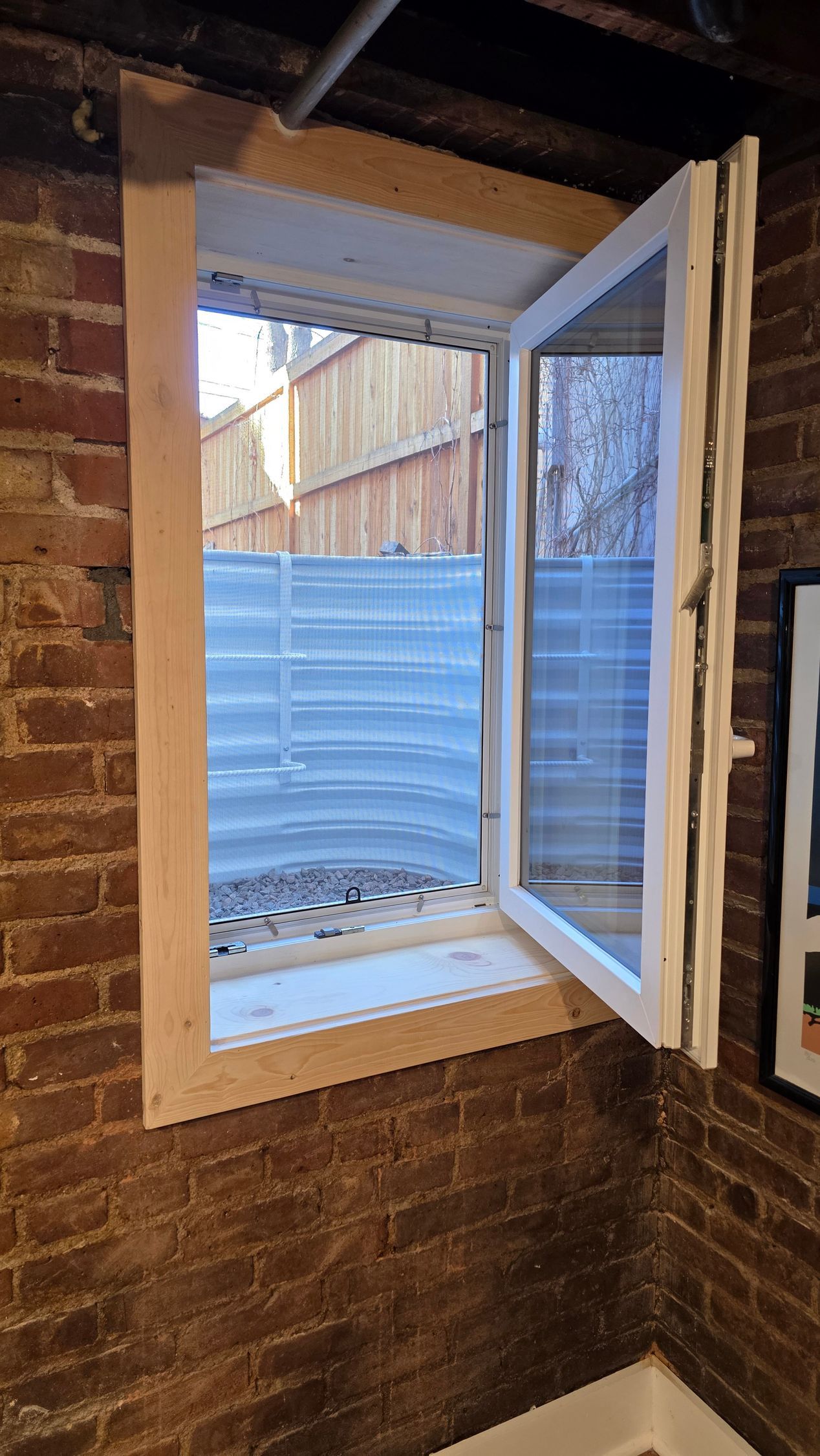
Another error is prioritizing aesthetics over functionality. While it’s tempting to pick a window that looks stylish, the primary purpose of an egress window is safety and accessibility. Casement windows, for example, can open fully outward and provide an unobstructed escape route, making them ideal for egress purposes, while sliding windows may limit exit space.
Additionally, some homeowners choose windows that are difficult to operate or require significant effort to open. In an emergency, even minor difficulties can become life-threatening. Selecting windows with smooth, reliable mechanisms and clear operating instructions is crucial for ensuring safe egress.
Finally, neglecting proper insulation and energy efficiency can lead to higher utility bills and discomfort. Basement windows are often exposed to the elements, and poor-quality glass or frames can lead to drafts and heat loss. Balancing safety, functionality, and efficiency is essential when selecting windows for replacement. By investing in the right materials, you’ll protect both your family and your home’s value.
An egress window replacement is a critical home improvement project that should never be approached casually. From ensuring proper measurements to complying with building codes, each step requires careful planning and attention to detail. Avoiding these common mistakes will save you from unnecessary expenses, failed inspections, and potential safety hazards. Properly installed egress windows provide peace of mind, allow natural light into your basement, and most importantly, ensure a safe exit in case of emergency.
Taking the time to research, plan, and execute your egress window replacements carefully will yield lasting benefits. Whether working with a trusted contractor or taking on a DIY project, addressing potential pitfalls such as waterproofing, material choice, and window sizing will protect your investment. By learning from these common errors, homeowners can complete a safe, functional, and code-compliant egress window replacement that adds both value and safety to their homes. Protect your home and ensure safety with professional egress window replacements from Egress, Inc. Contact us today to schedule your installation and enhance your basement’s accessibility and comfort.